
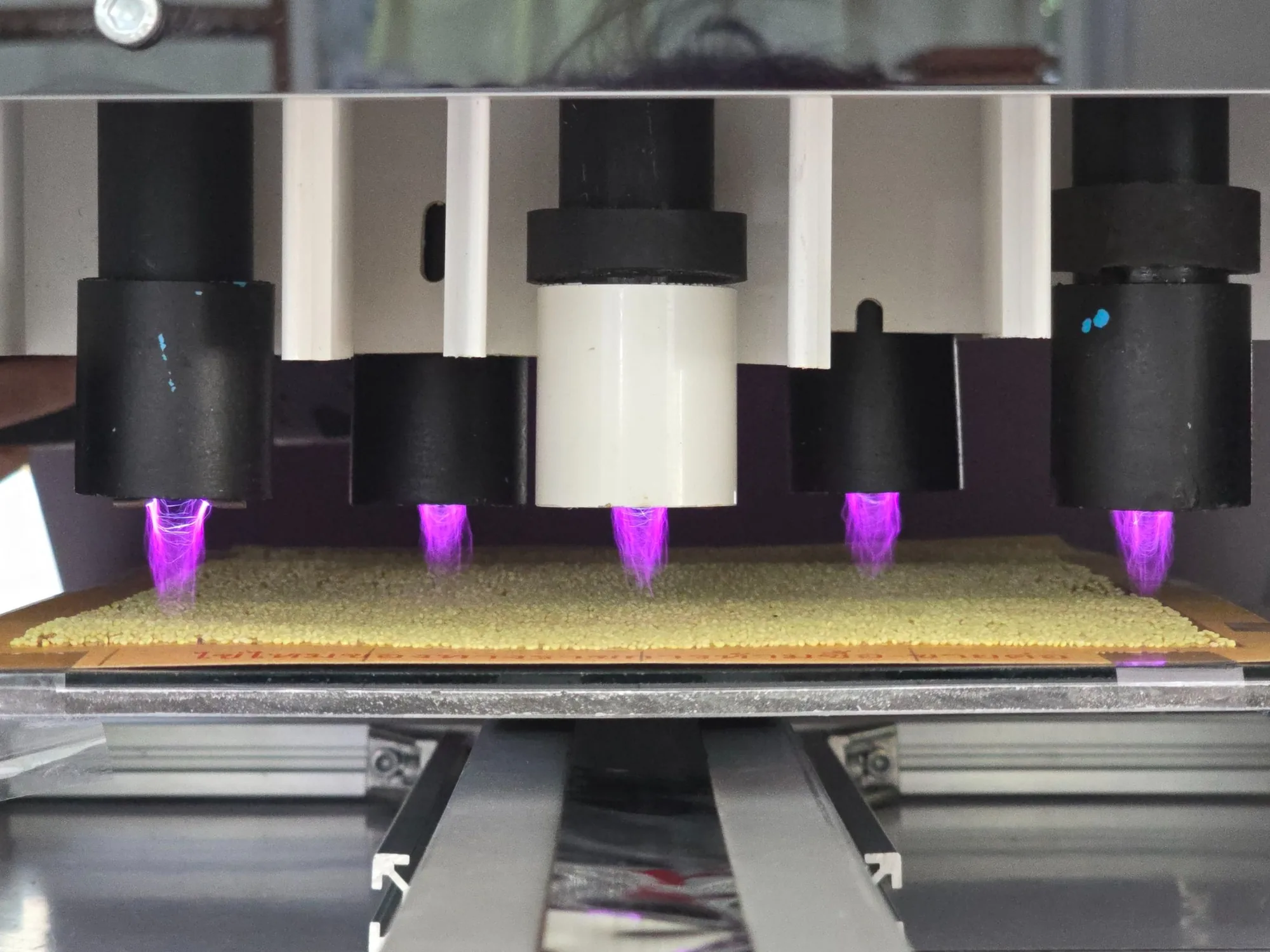
A collaboration with the Queen Sirikit Department of Sericulture to develop cold-plasma-assisted hatching, with the aim of reducing acid use and the washing burden in silkworm egg production.
01 · The challenge
Before rearing begins, the eggs must be ready
The project proposal gives the Department of Sericulture an annual production target of approximately 100,000 egg sheets, covering native Thai and Thai hybrid strains. [1]
This is the overall production target stated in the proposal. It is not the plasma machine’s capacity or the number of sheets already tested.
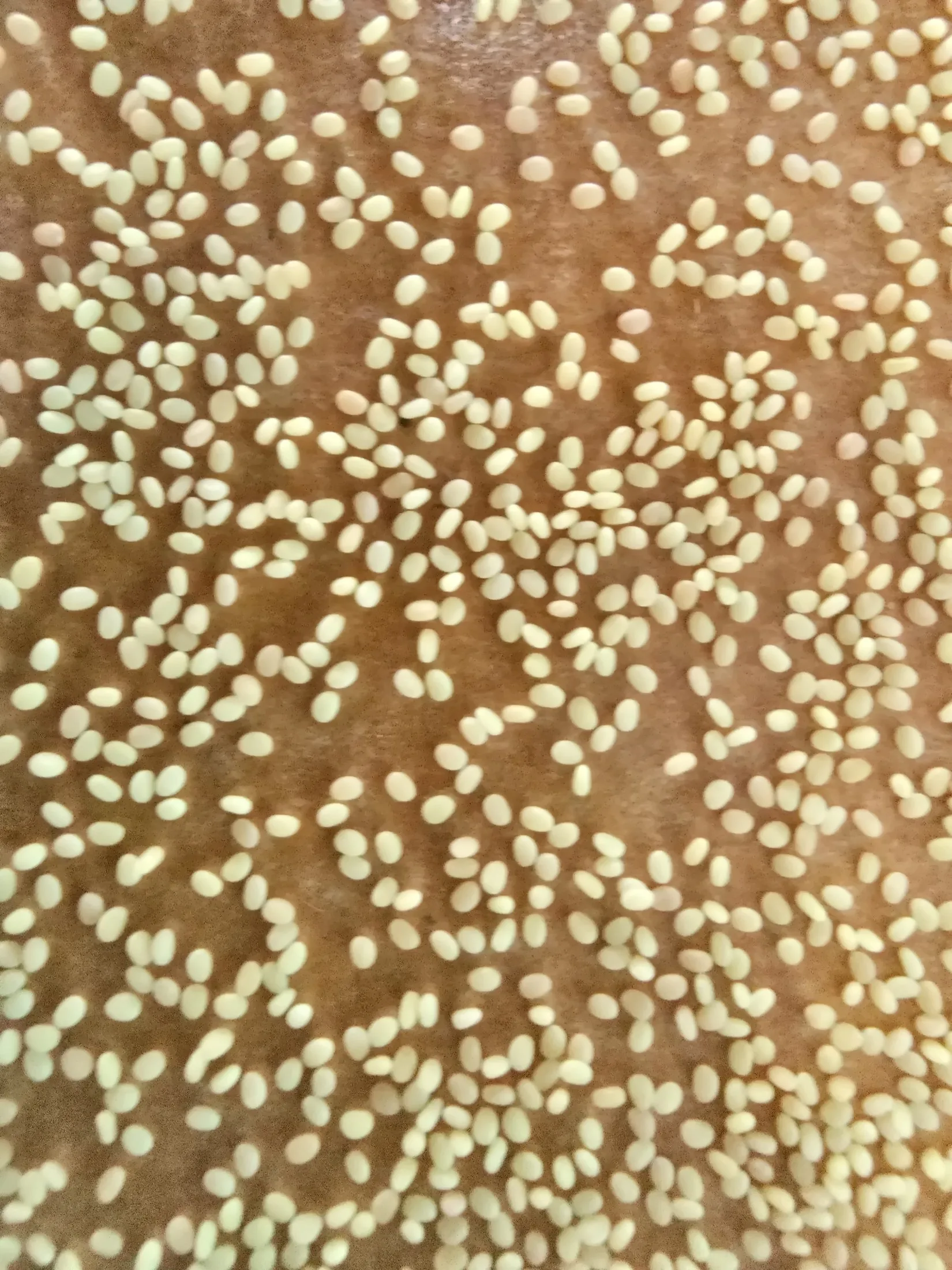
Eggs must be ready to hatch when farmers need them. Planning hatching around the rearing cycle is therefore important throughout the process, from maintaining breeding stocks to distributing eggs to farmers. Silkworm rearing requires eggs, mulberry leaves and staff to be ready at the same time. When eggs are still in diapause, artificial hatching can help align hatching with the rearing plan.
Some silkworm eggs enter diapause, a period when embryo development temporarily stops. Artificial hatching can help development resume or prevent eggs from entering diapause. The appropriate method depends on the age and condition of the eggs. [2] [3]
The research team and the Department of Sericulture are developing a cold plasma approach with three goals: reduce acid use, reduce the washing burden, and make the equipment practical for operators.
Good hatching results in selected areas are a starting point.
Consistent results across the whole sheet are the development goal.
- 01Understand the eggsConsider strain, egg age, and storage history.
- 02Plan the hatching windowAlign hatching with the rearing cycle and distribution of breeding material.
- 03Follow development after hatchingAlongside the hatching rate, assess how closely together the eggs hatch and how the larvae grow afterwards.
Diapause and the egg types studied
Artificial hatching is used to produce and conserve silkworm strains whose eggs undergo diapause, including univoltine, bivoltine, and some hybrid groups. This proposal focuses on strains J108 and J108 × Nang Lai Saraburi, using both immediate-hatching treatment (Sokushin) and treatment after a period of cold storage (Reishin). [1]
An egg in diapause is not necessarily dead. The embryo can pause its development and resume under suitable conditions. Egg management therefore requires a clear understanding of viability, developmental stage and storage history. [3]
The term bivoltine refers to silkworms with approximately two generations per year, depending on genetics and environmental conditions. It does not mean every batch will hatch on the same day. This project studies artificial hatching to help manage hatching times for this group. [2]
| Term | Meaning | Why it matters |
|---|---|---|
| Diapause prevention | Apply an appropriate artificial-hatching method before the eggs enter diapause | Egg age at treatment influences the choice of method and conditions |
| Diapause termination | Allow eggs that have entered diapause to resume development | Previous storage duration and conditions must be known |
| Egg care after plasma treatment | Care for treated eggs until the larvae hatch | Record egg-care conditions and the timing of counts so results can be compared |
| Hatching synchrony | How closely together eggs from the same batch hatch | This affects larval management and feeding within the batch |
Artificial hatching should therefore be assessed in terms of how many eggs hatch, when they hatch, and how closely they hatch together. The hatching rate alone is not enough to establish whether a process is suitable for planning silkworm rearing.
Egg samples and the reported information
The technical report uses Sokushin for immediate artificial hatching, and Reishin for artificial hatching after cold storage. These terms describe egg-management methods, not strain names.
The area-based results use the code J×NL, while a separate project document names J108 × Nang Lai Saraburi. The results in this article therefore retain the code J×NL used in the original report.
The main report does not fully document egg age, embryonic stage, exact storage conditions or conditions during subsequent egg care. These records should be linked to the sample codes before comparing results across experiments. [6]
02 · Research with the people who use it
Starting with operators’ needs and developing the technology together
Behind every sheet of eggs are the people who prepare it, the staff who manage hatching, and farmers waiting to begin the next rearing cycle.
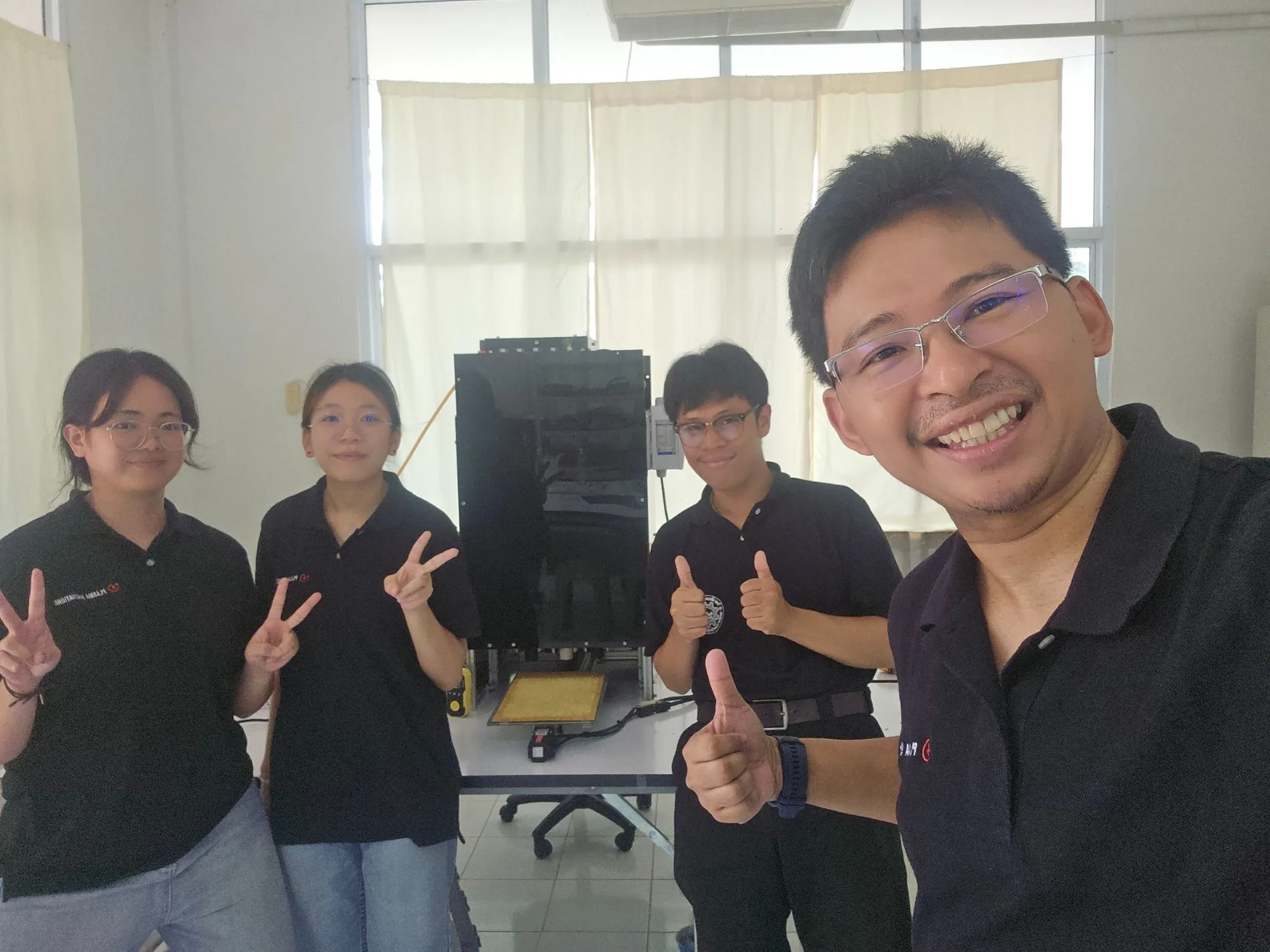
The Cold Plasma Technology for Artificial Hatching of Silkworm Eggs project brings together the Queen Sirikit Department of Sericulture, the Faculty of Engineering at Kasetsart University, and Plasma Innovations Co., Ltd. Led by Assoc. Prof. Dr. Siwapon Srisonphan, the project develops a prototype and a hatching process shaped by users’ needs. [4]
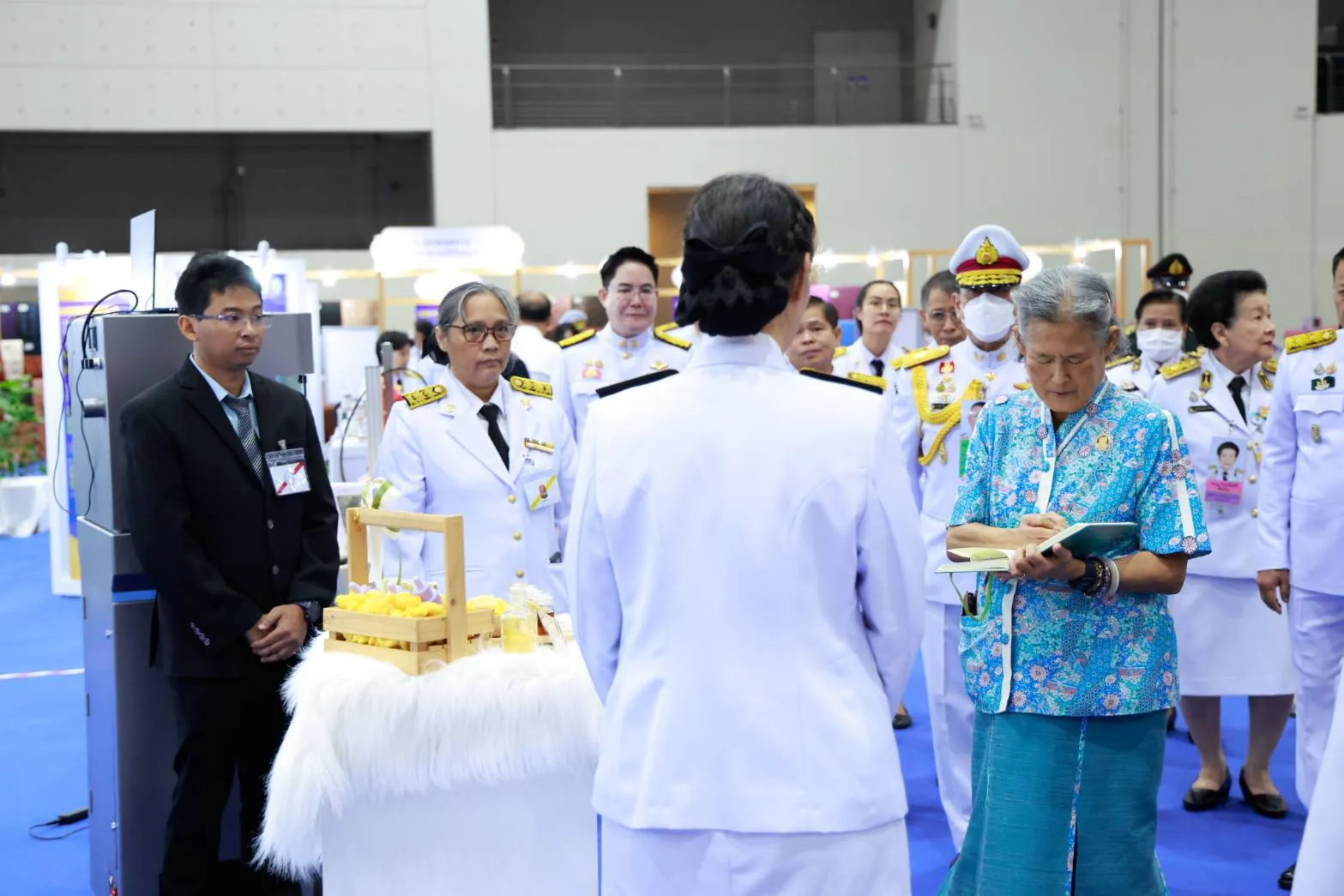
The research team has joined activities with the Department of Sericulture and actual users, including a presentation of the research and cold plasma innovation to Her Royal Highness Princess Maha Chakri Sirindhorn as part of the project. [4] [5]
- Project period
- The proposal specifies a project period of October 2024 – September 2025. [1]
- Project locations
- Field experiments at the Queen Sirikit Sericulture Centers in Nakhon Ratchasima and Khon Kaen, alongside laboratory work in the Department of Electrical Engineering, Faculty of Engineering, Kasetsart University.
- Support named in the documents
- Thailand Science Research and Innovation (TSRI) through the Department of Sericulture · the National Research Council of Thailand (NRCT) · Kasetsart University · the private-sector partner, Plasma Innovations Co., Ltd.
- Project outputs
- The project documents list a Gliding Arc Plasma prototype, a process manual, a database for comparison with HCl treatment, and training for staff or farmers. Future directions include automation and a Plasma-as-a-Service delivery model.
03 · Why plasma?
If artificial hatching already works, why investigate plasma?
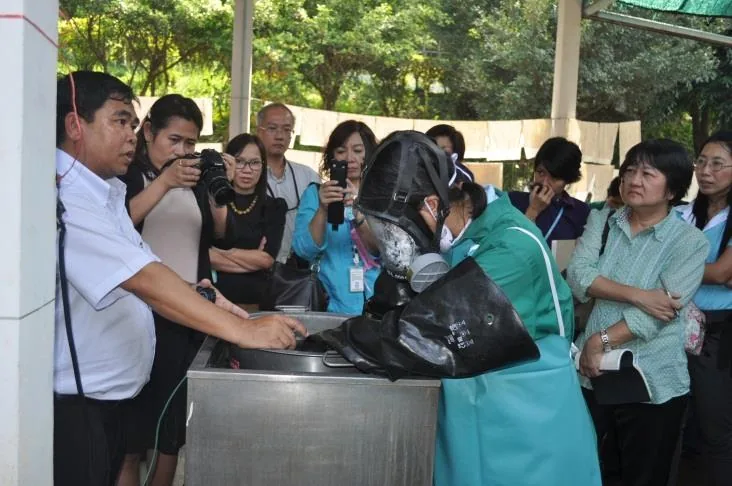
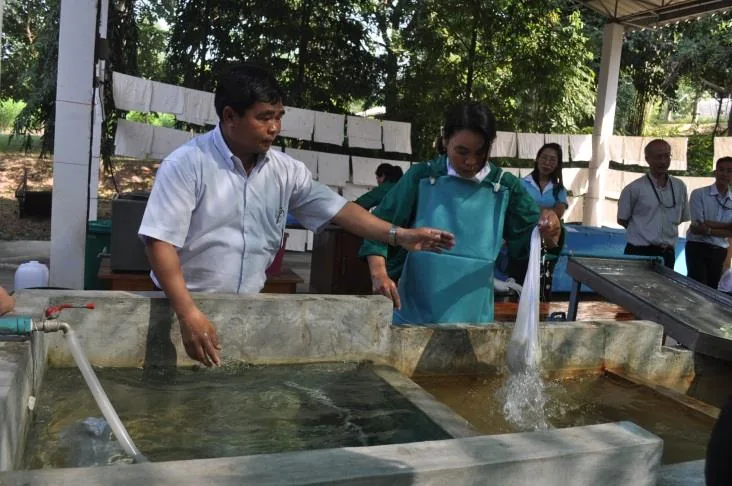
Immersion in hydrochloric acid, or HCl, is a long-established method of artificial hatching. Operators must control conditions to suit the eggs and manage each step, from preparing the acid and immersing the eggs to rinsing them. [2] [3]
Limitations of acid treatment include chemical handling, exposure to acid fumes, and the water required to wash the eggs afterward. HCl can irritate the respiratory tract, damage skin and eyes, and corrode metals. [7]
This project asks whether plasma equipment can reduce acid use. Three questions guide its development: how well do the eggs hatch, are results consistent across the sheet, and how practical is the equipment for operators?
The plasma research question therefore concerns both hatching results and the work of the operators: reducing acid use while maintaining hatching and post-hatching quality could enable improvements in egg production.
| Aspect | HCl-based artificial hatching | The plasma approach under development |
|---|---|---|
| Application to silkworm eggs | Acid treatment under specified conditions | Gliding Arc Plasma combined with scanning |
| What must be controlled | Concentration, temperature, duration, and egg handling | Plasma conditions, exposure time, speed and scanning path |
| Role in this project | Reference method for comparison | Experimental system for studying outcomes and improving uniformity |
| The key question | With comparable eggs, how do the methods differ in hatching results and workload? | |
Demonstration of the conventional workflow
04 · The plasma system
Moving across the egg sheet along a defined path
The equipment combines Gliding Arc Plasma with computer-controlled motion (CNC) to move the treatment zone across an egg sheet along a defined path.
The system travels along one track before moving to the next. The team adjusts head distance, speed, and track spacing to identify an approach that produces consistent results across the sheet. [9]
How the system works
- 01Generate plasmaSet the plasma source’s operating conditions
- 02Control movementMove through the defined positions
- 03Check the eggsCount hatched eggs at each location and use the findings to refine the system
Zhang et al. (2022) studied corona discharge on silkworm eggs and reported diapause prevention after treating newly laid eggs under the conditions of that study. This supports the feasibility of using electrical discharge for this purpose. However, corona discharge is a different system from Gliding Arc, and those findings are not results from Plasma Innovations. [3]
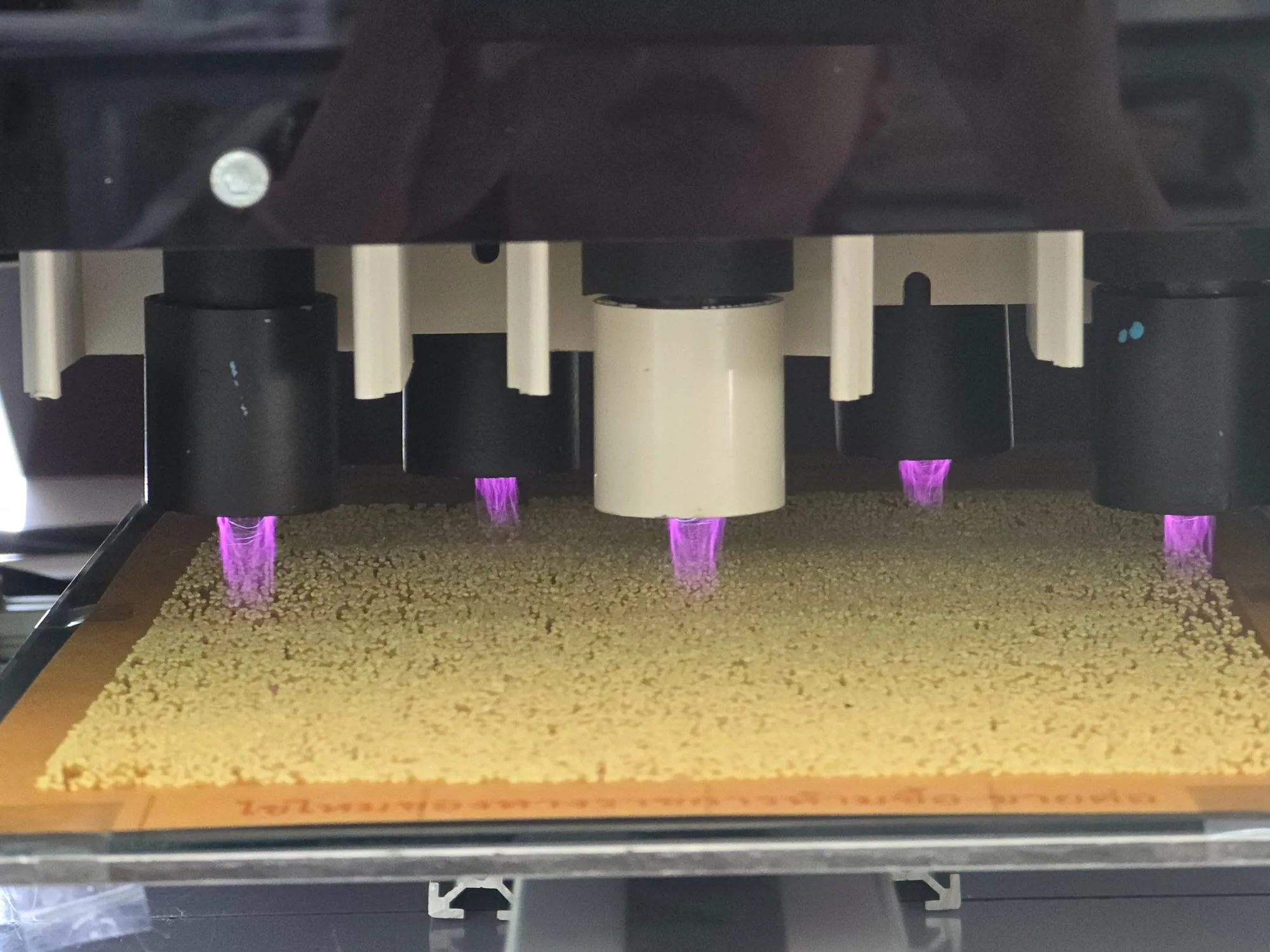
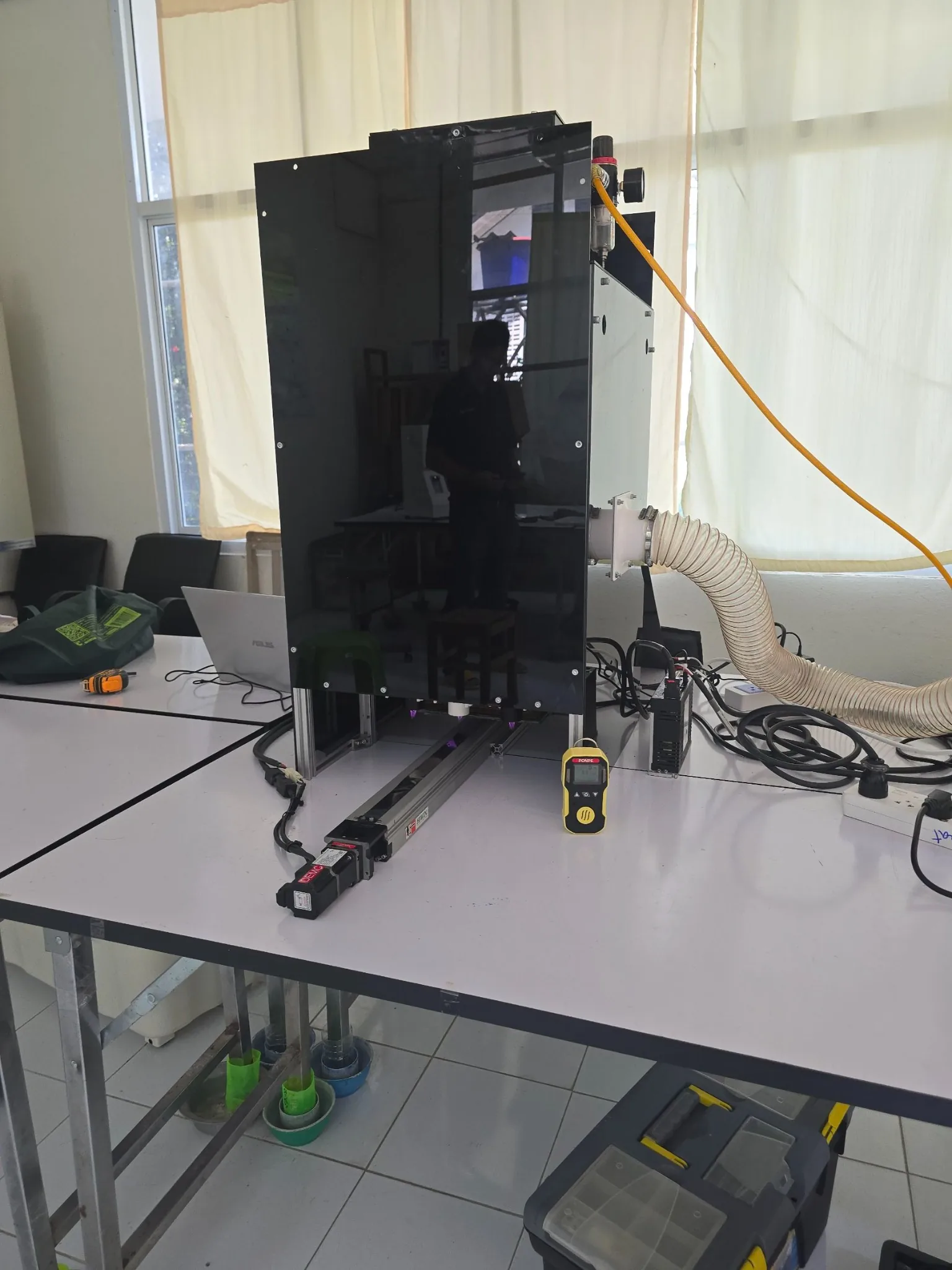
Watch the cold plasma equipment in operation
05 · Hatching results
Around 97% hatching in small assessment areas
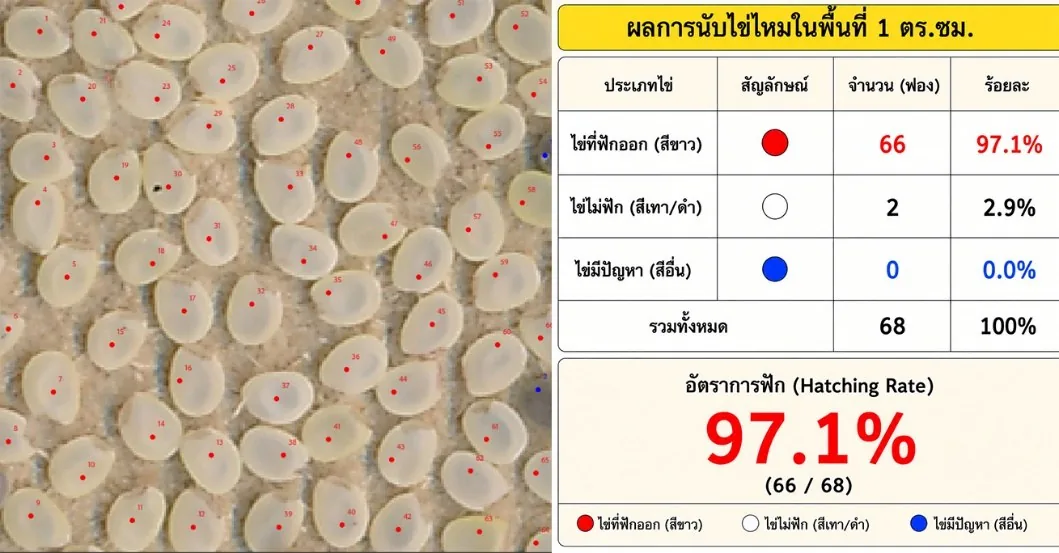
For eggs coded J×NL, counts in two 1 cm² assessment areas gave hatching rates of 97.1% and 96.9%. These are local results, not results for the entire sheet. [10]
Results and context from the technical report [6] · J×NL project data · Gliding Arc Plasma
- Local results — results from two small areas, not the hatching rate for a whole sheet.
- The report recorded no abnormal eggs in these two areas. Larval survival, growth and subsequent cocoon quality still need to be followed up.
- The two locations do not represent two independent production batches. Further work must include replication and comparison with untreated and acid-treated eggs of comparable age and storage history.
06 · Eggshell surfaces under a scanning electron microscope
A closer look at the eggshell surface
SEM reveals details of the eggshell surface.
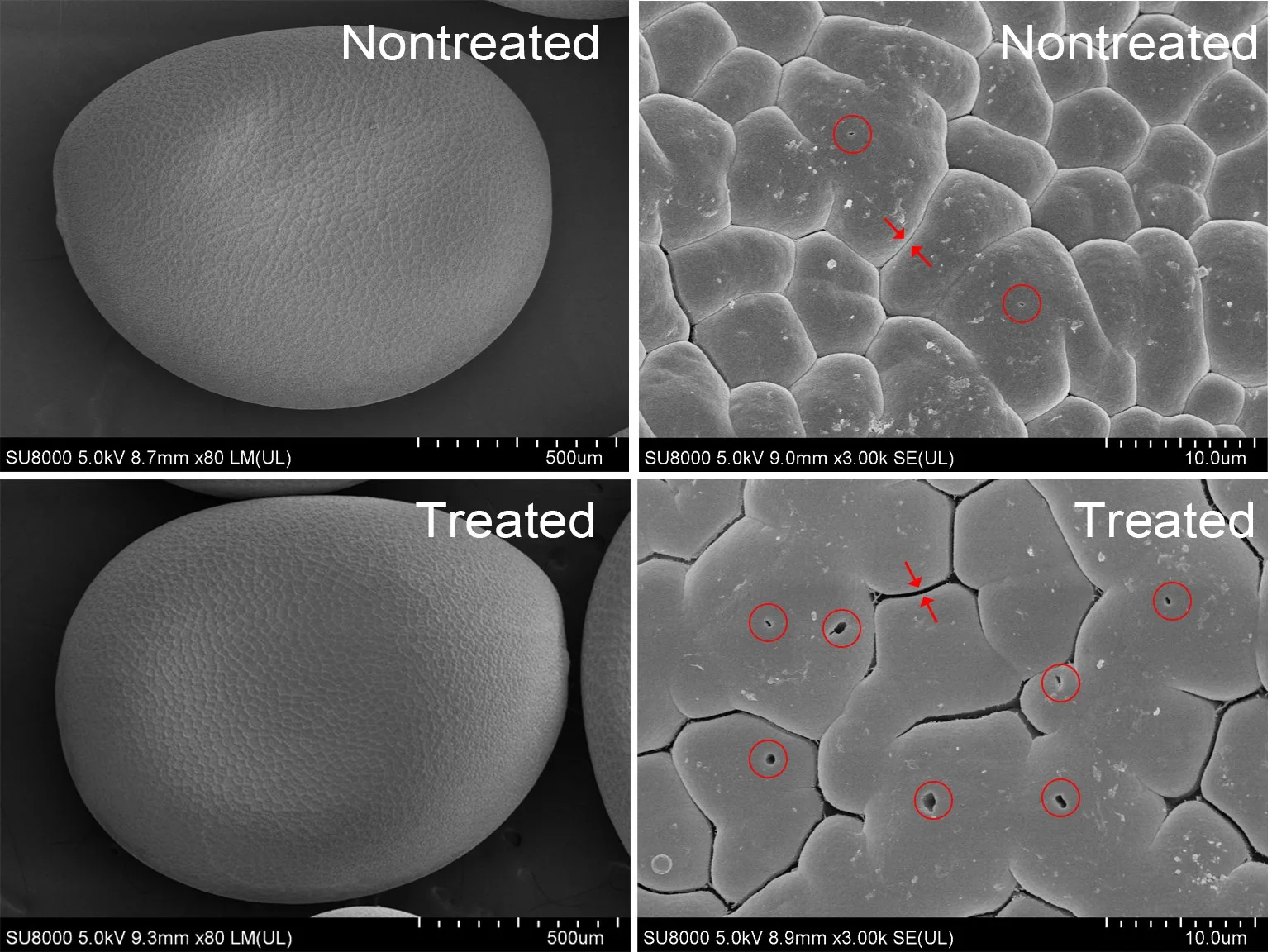
The SEM images in the report show both the overall egg shape and surface details, with selected features marked by the authors. These images help identify questions for further study, but no quantitative measurements of roughness, pore count, crack width or elemental composition are provided.
The images therefore do not establish that plasma opens the eggshell surface, increases permeability or ends diapause through this mechanism. Confirmation requires comparison with control eggs alongside evidence on embryo development and hatching. [6]
07 · Intended benefits
The intended benefits for operators and egg production
The aim is to offer an artificial hatching option that reduces acid exposure and water demand, while making egg production easier for operators to manage. [4]
Develop an artificial hatching option suited to egg type, storage history, and treatment timing.
Measure reductions in acid use and workload alongside electricity and maintenance costs to assess cost-effectiveness.
Study how much rinsing water could be reduced after plasma treatment, while designing egg placement and machine controls around operators’ needs.
Water use, costs and safety still need to be assessed across the entire process. The available data are not yet sufficient to quantify savings in costs or resources. [4]
From egg production to farmers and silk producers
The direct users are staff and egg-production units. Potential downstream beneficiaries include farmers receiving eggs for rearing and producers using the cocoons. Development should therefore track egg quality, workload and resource use together. [1] [11]
- 01Egg-production centersA new option for managing hatching schedules and reducing reliance on acid immersion
- 02Silkworm farmersAim to provide eggs ready to hatch for the rearing cycle while maintaining post-hatching quality
- 03Silk producersRaw-material quality and continuity are downstream objectives that need follow-up
08 · Before scale-up
Before expanding use, confirm performance and value
- 01Verify whole-sheet resultsCount across the entire sheet to establish whether eggs at different positions hatch at similar rates.
- 02Repeat and compareTest multiple egg batches against acid treatment and an untreated group, and follow outcomes after hatching.
- 03Evaluate a pilot workflowInvolve operators and measure time per sheet, water, chemicals, energy, and total cost.
Start with the user’s production needs
Further development should start with the needs of egg-production centres: which eggs they use, how many sheets they produce and when they need them to hatch. Hatching, time and cost targets can then be agreed with users to guide decisions about expanding the system.
09 · References
Sources and research references
The Gliding Arc results and project photographs presented here come from the Master Technical Case Report and documents supplied by the project team. External research provides scientific context. The project documents listed below are internal sources, not peer-reviewed publications or independent test reports.
- Queen Sirikit Department of Sericulture and research team, Project Proposal: Artificial Hatching of Silkworm Eggs Using Cold Plasma Technology, project information section, proposed period Oct. 2024–Sep. 2025. Source for the overall production target and study scope. In Thai.
- Plasma Innovations, Artificial Hatching of Silkworm Eggs: Project Overview and Reference Process, project documents, 2026. In Thai.
- Y.-L. Zhang et al., “Very Early Corona Treatment-Mediated Artificial Incubation of Silkworm Eggs and Germline Transformation of Diapause Silkworm Strains,” Frontiers in Bioengineering and Biotechnology, vol. 10, 843543, 2022. doi: 10.3389/fbioe.2022.843543.
- Project team, Artificial Hatching of Silkworm Eggs Using Cold Plasma Technology: Deep Tech for Sustainable and Safer Thai Agriculture, project summary with activity photographs and videos. In Thai.
- Public Relations Department, Thailand, Announcement inviting birthday well-wishes, 2024. Source used to verify the royal title. In Thai.
- Plasma Innovations, Cold Plasma for Artificial Hatching of Silkworm Eggs: Master Technical Case Report, ver. 1.0, 3 Sep. 2026. Internal technical report, cited for egg counts and experimental images.
- CDC/NIOSH, NIOSH Pocket Guide to Chemical Hazards: Hydrogen chloride, reviewed Oct. 30, 2019.
- Queen Sirikit Department of Sericulture, Good-Quality Silkworm Egg Production, production training document, pp. 24 and 28, undated. Photographs from the document supplied by the project team. In Thai.
- Plasma Innovations, Development of a Plasma System for Silkworm Egg Sheets, project documents, 2026. In Thai.
- Plasma Innovations, Hatching Performance and Uniformity in Silkworm Eggs Coded J×NL, project results summary, 2026. In Thai.
- J. Mungkalasiri, N. Poolsawad, and R. Wisansuwannakorn, Multi-dimensional assessment perspectives for sustainable development: A case study of sericulture, MTEC/NSTDA, research poster, undated. Used for sericulture value-chain and sustainability-assessment context, not as an assessment of this plasma project.
Equipment and team photographs are provided by the project team. Conventional-process images are from Department of Sericulture materials. Egg-count and SEM images are from the technical report. Water, cost and safety benefits remain goals for further assessment.
 Back to Case Libraries