

In the Laboratory
Plasma Research
in Action
Cold plasma can be applied to heat-sensitive materials and products, from food, seeds and biomaterials to packaging and industrial parts. Plasma Innovations builds on its research expertise to develop plasma platforms that can be tested, tuned and extended to suit each process — from laboratory feasibility studies and process and prototype development through to scale-up for real-world use in agriculture, food, health and advanced manufacturing.
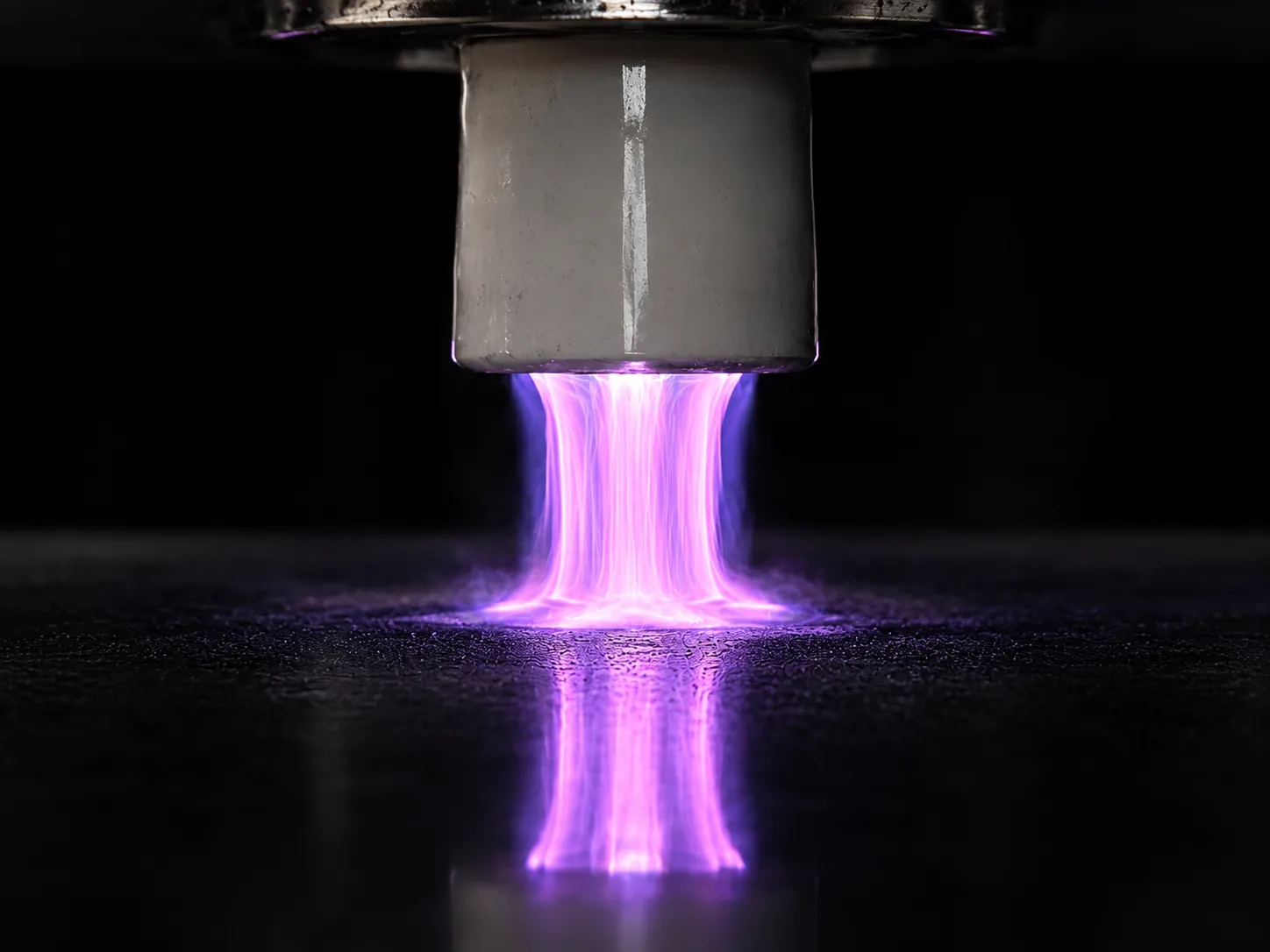
COLD PLASMA TECHNOLOGY
Plasma is one of the states of matter. It forms when a gas absorbs enough energy for some of its atoms or molecules to break apart, creating a mixture of electrons, ions, reactive species and other energetic particles that can interact with microorganisms, materials and surfaces.
Cold plasma differs from high-temperature plasma in that most of the energy goes to the electrons, while the overall gas temperature stays relatively low. This allows it to be applied to heat-sensitive materials and products such as food, seeds, biomaterials, packaging and industrial parts.
When plasma comes into contact with a surface, the species it generates can help clean, activate or modify the surface and support the reduction of microbial contamination. Results depend on the type of plasma source, the gas, power, treatment time and distance, and the characteristics of the material being tested.
Because its operating conditions can be designed and controlled, cold plasma is a technology platform that can be tailored to each process — from research and proof of concept to prototyping and scale-up for applications in agriculture, food, health, materials and advanced manufacturing.
Cold Plasma FAQ
Cold Plasma: Frequently Asked Questions
What is cold plasma?
Cold plasma is a gas energized by electricity until some of its molecules break apart into electrons, ions and reactive species. Most of the energy sits with the electrons while the bulk gas stays near room temperature — hence “non-thermal plasma” — so it can be used on heat-sensitive materials.
How is cold plasma different from plasma cutting?
A plasma cutter uses thermal plasma at thousands of degrees Celsius to melt metal. Cold plasma does not work through heat; it relies on the reactive species, light and electric fields it generates, so it can treat food, seeds, biological materials and delicate surfaces without heat damage.
What is cold plasma used for?
Studied and applied uses include microbial reduction on surfaces to help extend the shelf life of produce and food, seed germination, plasma surface treatment of materials, plasma-activated water, and specialised work such as artificial hatching of silkworm eggs. Results depend on the plasma source, gas, power, time and material, so every application needs testing on real samples.
How can we trial it on our own materials?
Tell us about your challenge and materials. We help choose a suitable plasma source, then run trials through Plasma-as-a-Service or our testing and prototype service before you invest in equipment. Contact the team
Multi Platform Plasma Technology
Our Key Innovation
We develop and apply a range of plasma technologies to meet the different needs of real-world industrial applications.
-
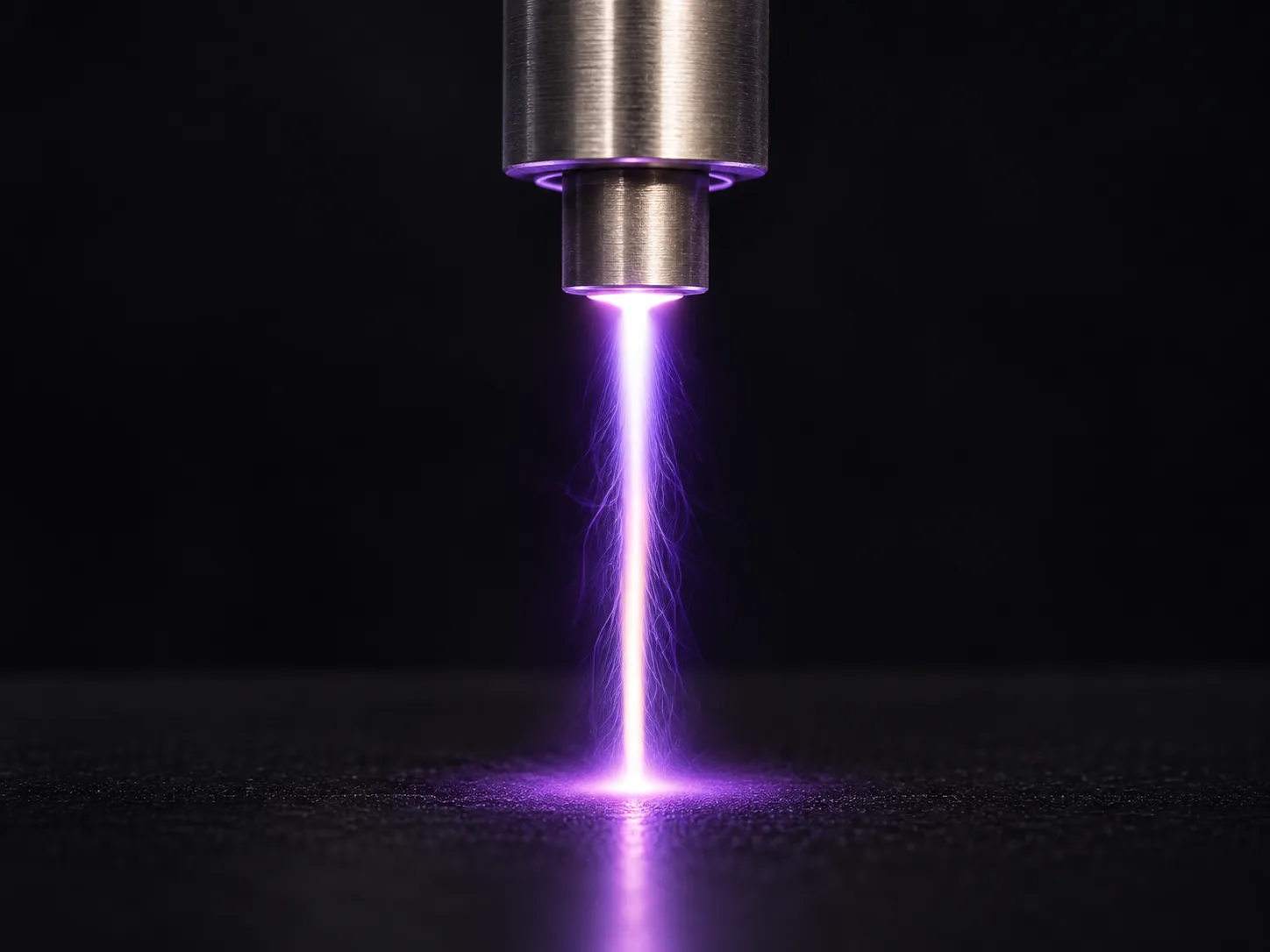
Plasma Jet
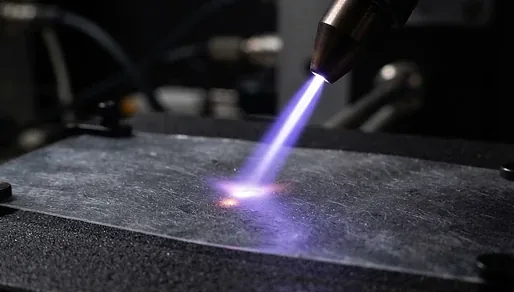
A plasma stream that can be delivered precisely to a target point. Suited to localized treatment, surfaces with complex shapes, and process development combined with motion or automation systems.
-
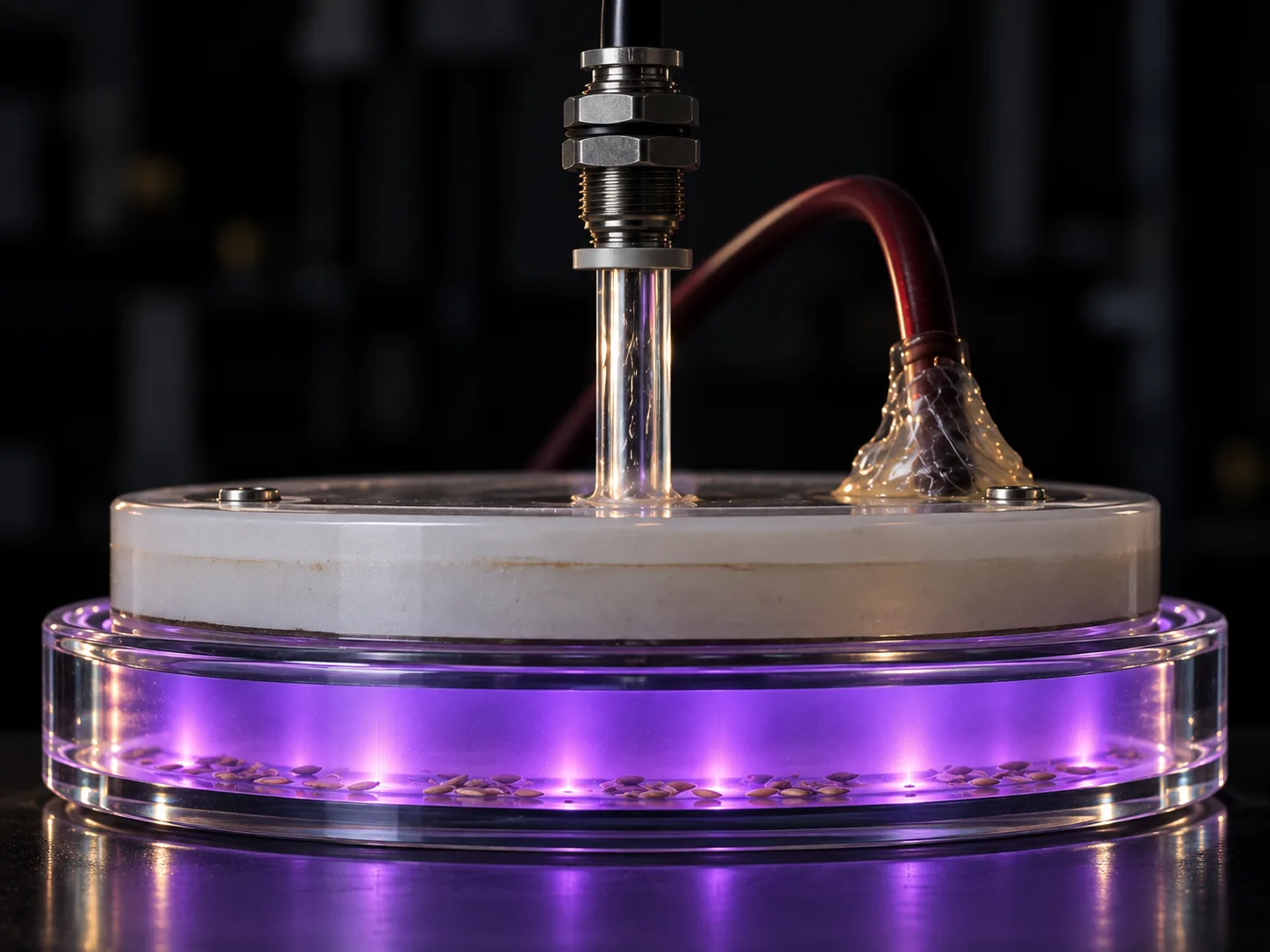
DBD Plasma
Cold plasma generated between dielectric layers. Suited to treating flat-surface samples, sheet materials, films, packaging, agricultural raw materials and biomaterials.
-
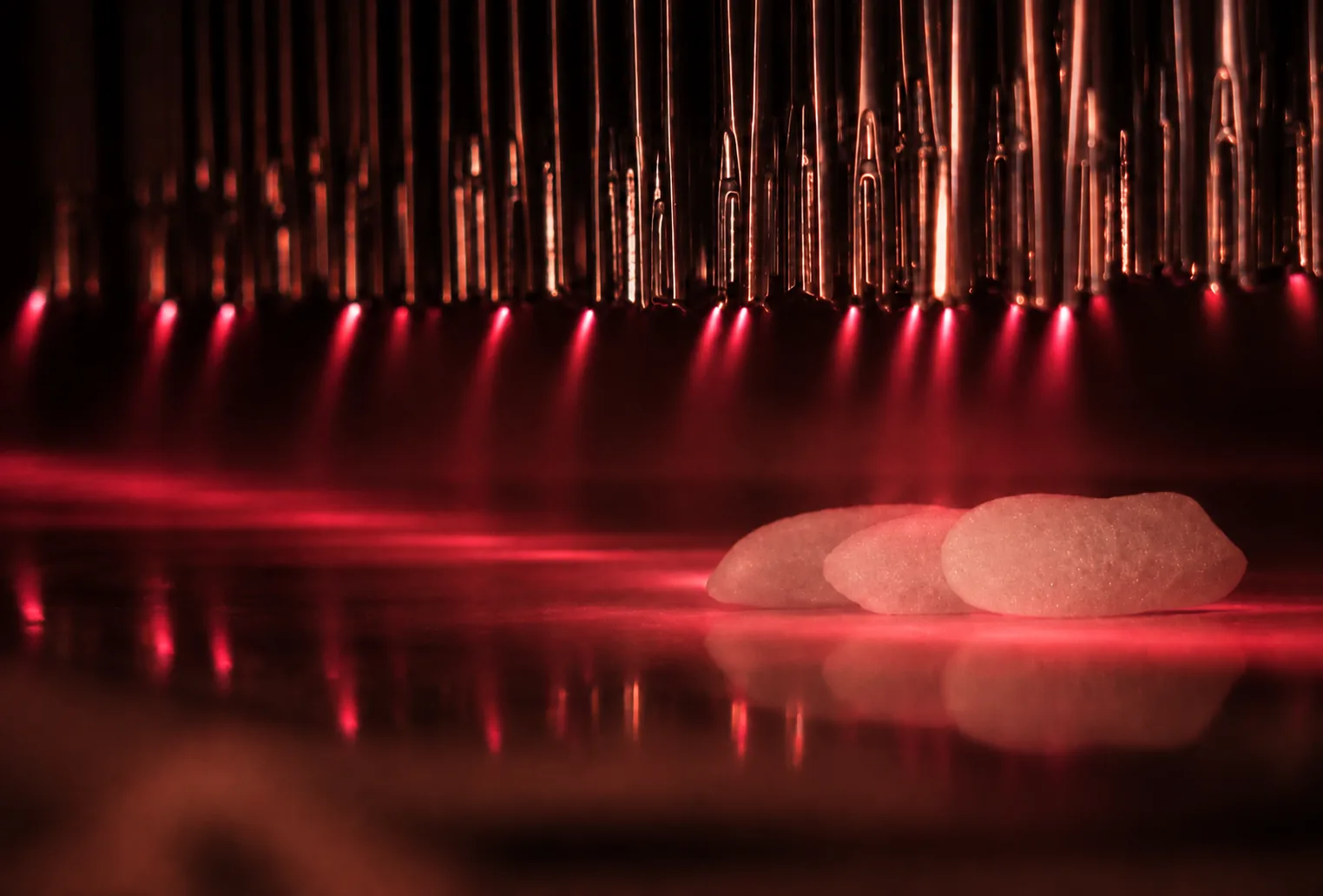
Hybrid Cold Plasma
A platform that combines several types of plasma source in a single system, adding flexibility to experiment, compare and find the optimal operating conditions.
-
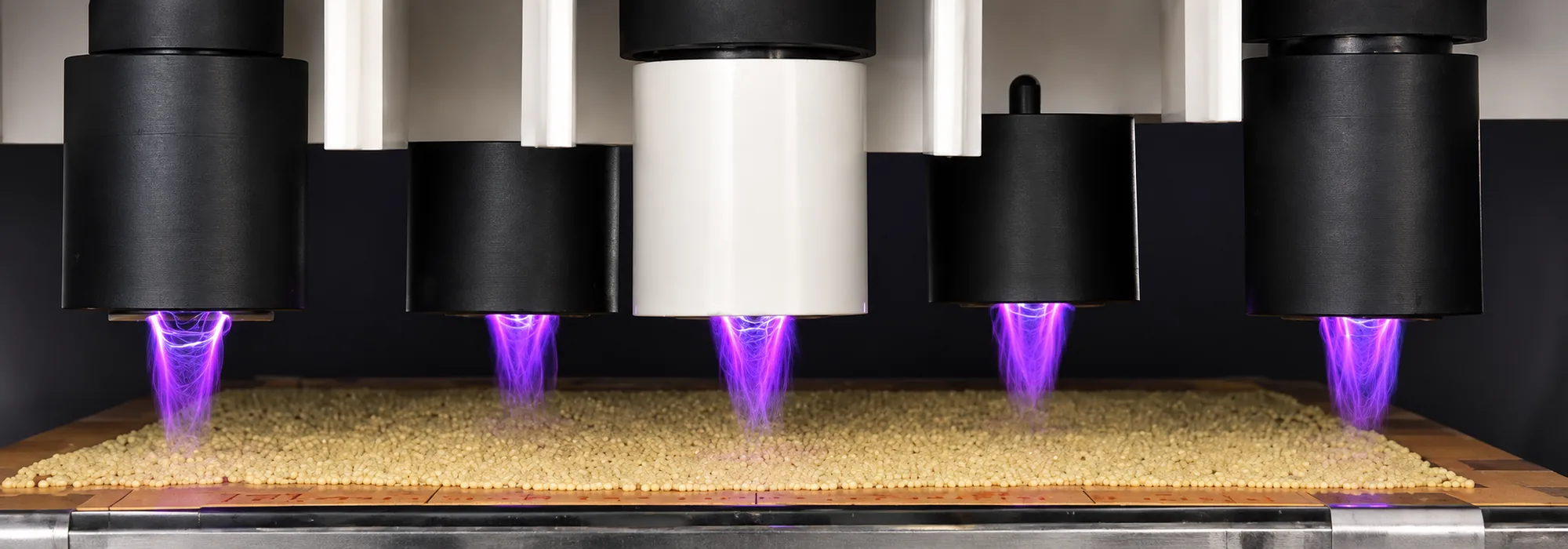
Gliding Arc Plasma
A plasma system whose working area and reactive-species density suit material treatment. It can be combined with CNC systems and multiple plasma heads for wider coverage and a more uniform process.
-
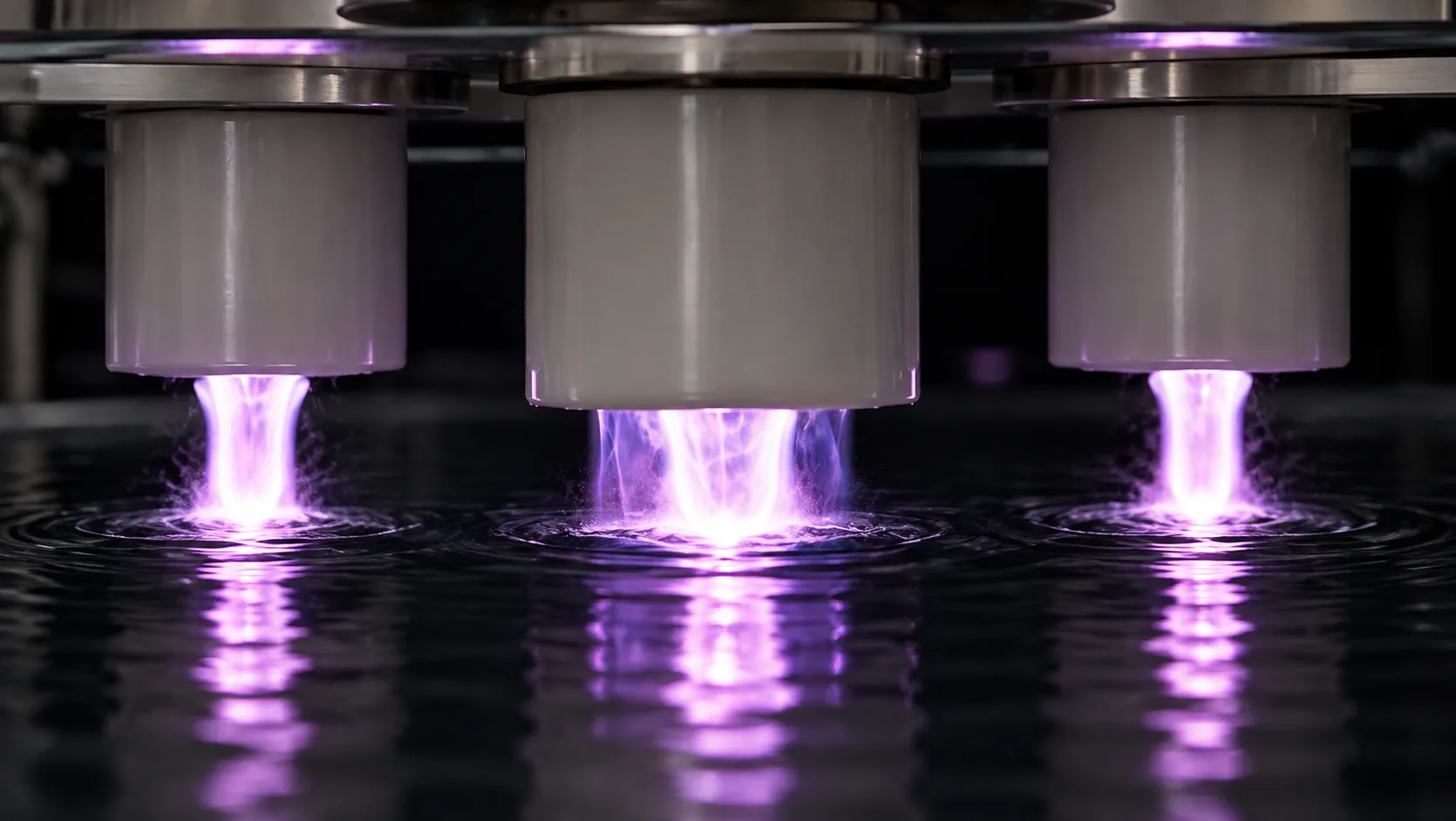
PAL PLATFORM
A technology that uses plasma to activate water or other liquids, generating reactive species for a range of applications, such as water, ice, mist or liquids for specific processes.
WHAT MAKES
OUR TECHNOLOGY
DIFFERENCE
Plasma is one of the states of matter. It forms when a gas absorbs enough energy for some of its atoms or molecules to break apart, creating a mixture of electrons, ions, reactive species and other energetic particles that can interact with microorganisms, materials and surfaces.

Non-Thermal
Operates at low temperature, safe for biological materials and heat-sensitive products.

Tunable
Plasma conditions can be tuned to the needs of each application.

Multi-Platform
Supports many types of plasma for different applications.

Scalable
Developed from the laboratory to industrial scale, ready to support commercial production.
TECHNOLOGY FOR
MULTIPLE INDUSTRIES
Our technology can be adapted to the needs of many industries.
Explore Our Solutions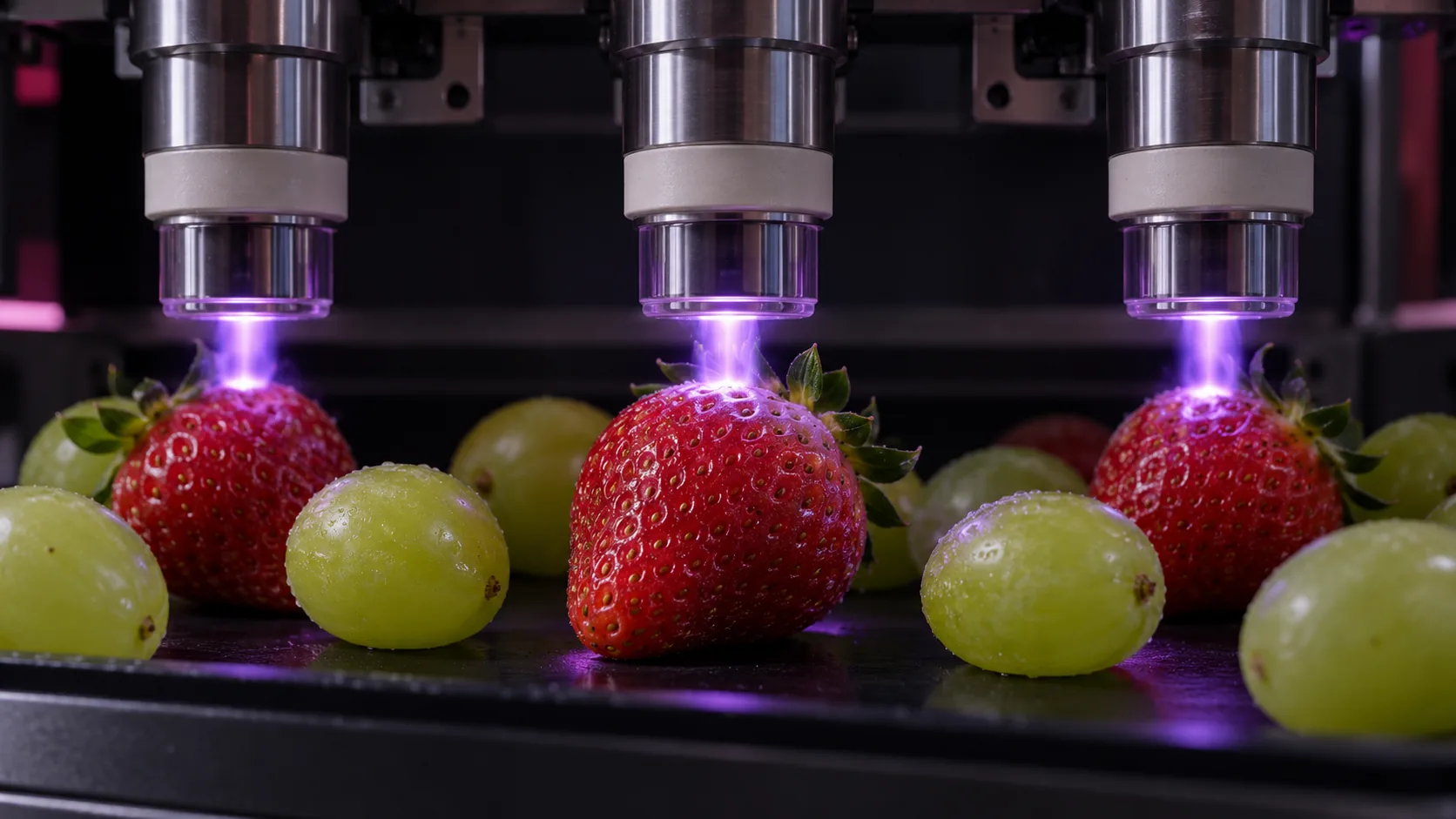
FOOD
Microbial reduction and longer shelf life

AGRICULTURE
Plasma agriculture: seed germination and vigor
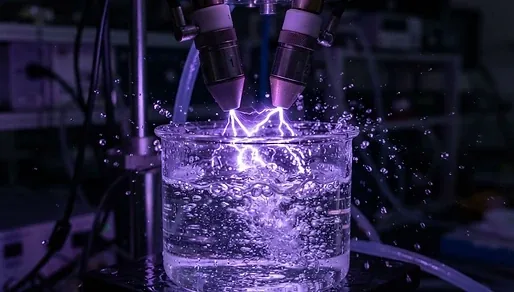
WATER & ENVIRONMENT
Plasma-activated water and wastewater treatment

PERSONAL CARE
Innovation for healthy skin
MATERIAL & SURFACE
Plasma surface treatment for better production
FROM TECHNOLOGIES TO EQUIPMENTS
TURN INNOVATION TO YOUR ADVANTAGE
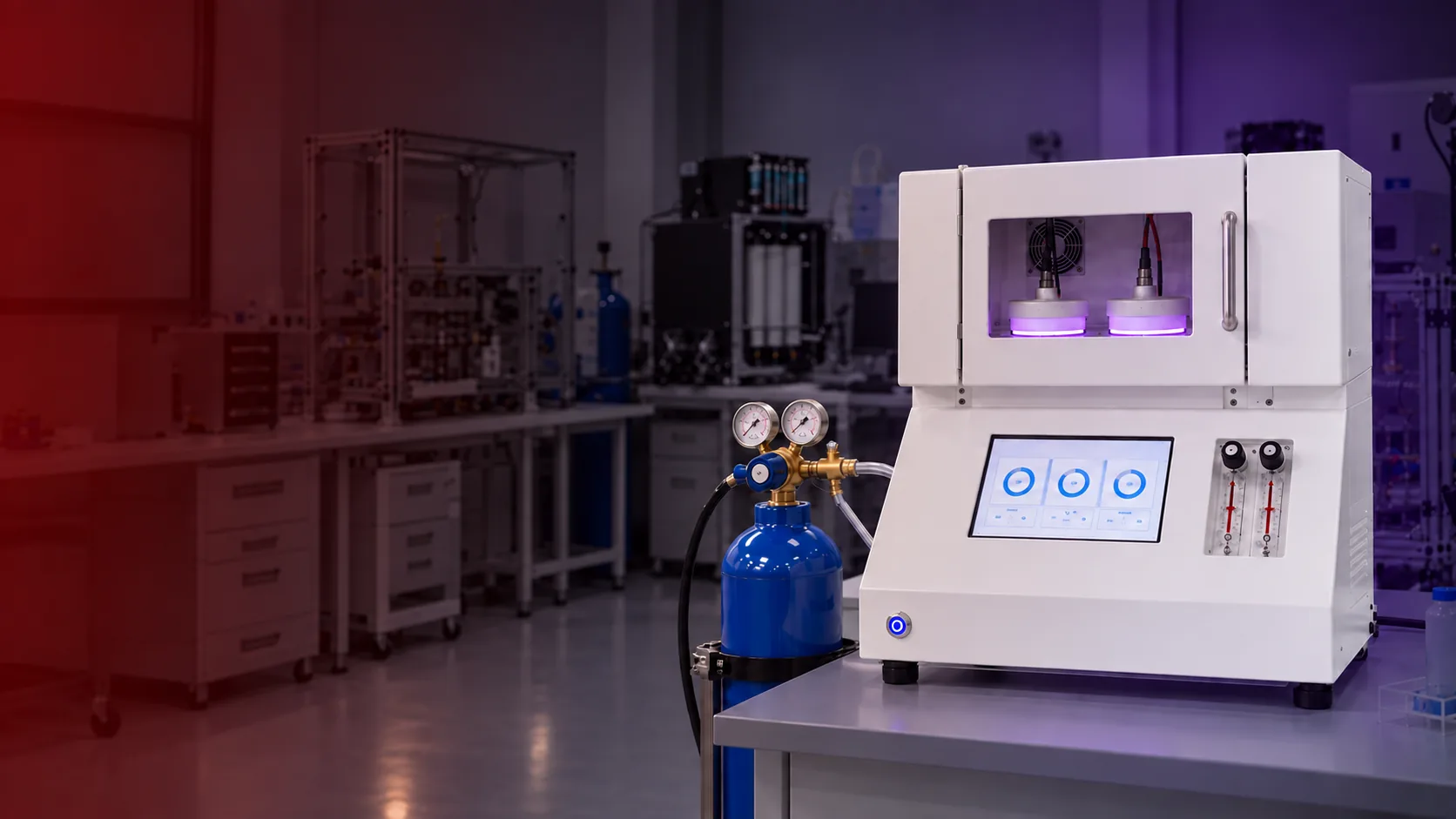
We design and develop plasma machines that combine research expertise with the needs of real-world industry, so you can put the technology to work effectively.
Explore Our Machines